Empowering Wellness: Navigating Cancer Care and Emerging Therapies for Survivors
In the journey of battling cancer, the path can be overwhelming—filled with uncertainty, myriad treatment options, and a search for hope amidst the chaos. For many, the transition from active treatment to survivorship becomes a more complex phase of the disease journey. But fear not! Enter the world of innovative therapies and survivorship programs, which are designed not just to treat but to empower, support, and enhance the overall well-being of cancer survivors. Have you ever wondered how these programs can transform the cancer care experience?
Survivorship programs are not just about monitoring for recurrence or managing late effects of treatment; they focus on the holistic wellness of the individual. Imagine walking into a supportive space filled with other survivors, where your oncologist not only discusses clinical trials and medical advancements but also shares insights on lifestyle adjustments and nutrition that can lead to improved health. These programs merge information resources with practical strategies, allowing survivors to take charge of their own health and steer their journey toward wellness. As one survivor put it, 'It's not just about surviving cancer; it's about thriving after cancer.'
The innovative therapies embedded in these survivorship programs can include not only traditional pharmaceuticals but also alternative medicine techniques that address both physical and emotional symptoms. It’s an intriguing blend where biomedical research meets everyday life, providing comprehensive patient care that extends beyond hospital walls. Programs may offer workshops on healthy living, from nutrition to exercise regimens, ensuring that survivors emerge from their illness with not just a clean bill of health but also equipped tools for a happier life.
Don't overlook the power of psychosocial support in survivorship! Many programs incorporate support groups where survivors can share experiences, advocate for one another, and build a community around shared challenges. Participating in a support group can drastically alter the landscape of recovery. How comforting would it be to talk to someone who understands your journey? Advocacy is a vital aspect of survivorship, encouraging survivors to actively engage in their healthcare decisions and community resources. These connections can lead to valuable grants and funding opportunities that further advance research in cancer care.
As we explore these innovative therapies and survivorship programs, it’s crucial for survivors and caregivers to take advantage of patient education resources. Knowledge empowers you to seek the best treatment options and engage with your healthcare providers effectively. This delicate balance of evidence-based medicine and compassion-driven care ultimately enhances the quality of life for survivors. So, what are you waiting for? Dive into your local resources, attend workshops, and engage with your oncologist about the available programs tailored to support you in thriving post-cancer. Let’s champion wellness together!
The Role of Nutrition and Lifestyle in Empowering Cancer Survivors' Wellness
When it comes to cancer care, most people think about the medical interventions—chemotherapy, radiation, or surgeries. But what about the role of nutrition and lifestyle? As oncology continues to evolve, many survivors have discovered that empowering their wellness through nutrition and lifestyle adjustments can significantly enhance their survivorship journey. After all, the body is a temple, and it needs the right fuel to withstand the physical and emotional tolls of illness. How can we cultivate a healthy living environment that not only supports the body but also nurtures the soul?
Actions speak louder than words, and adopting healthy lifestyle habits post-diagnosis can make all the difference. In fact, studies suggest that patients who engage in exercise, balanced nutrition, and comprehensive wellness strategies may not only improve their treatment outcomes but also enhance their overall quality of life. As you navigate through your journey, remember to lean on community resources, support groups, and patient education initiatives that can offer valuable information and keep you engaged in your health choices. After all, knowledge is power, especially when it comes to understanding treatment options and alternative medicine.
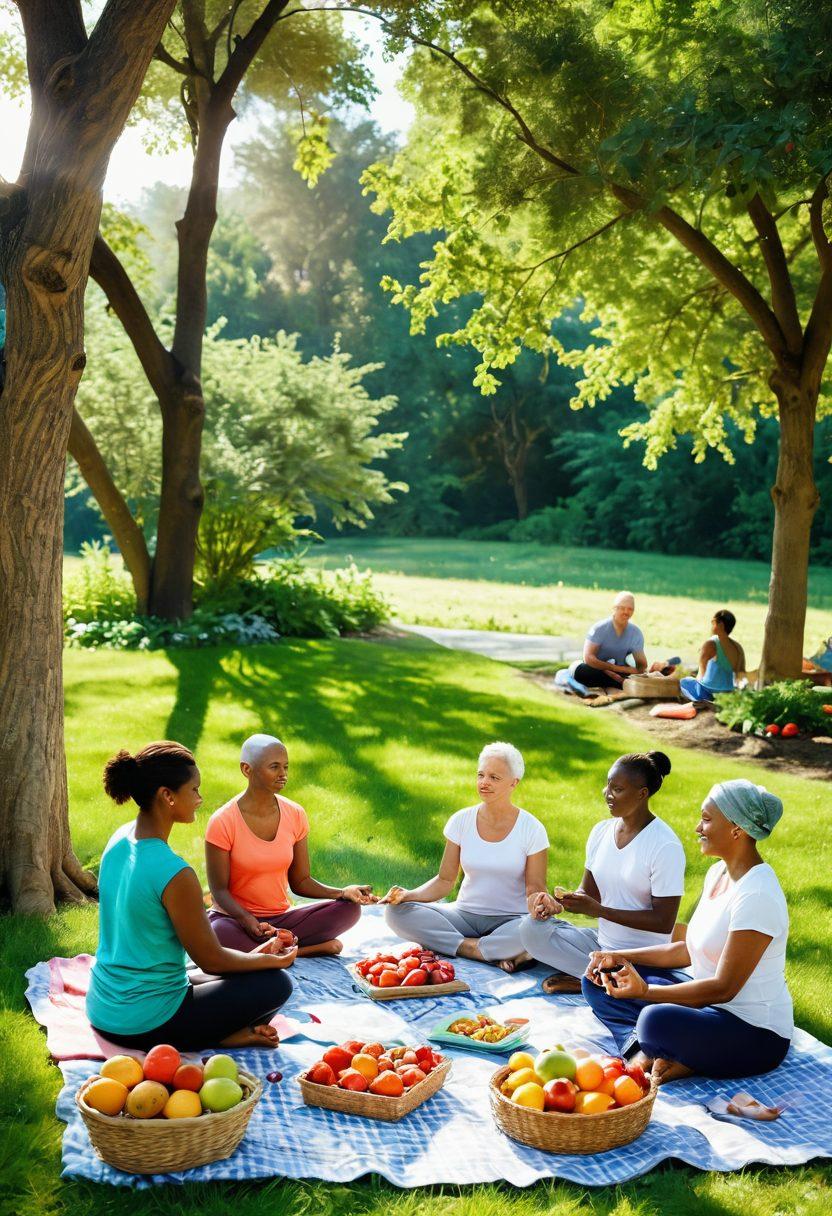
One of the most empowering aspects of survivorship is the ability to take charge of one’s own wellness. A visit to the oncologist might reveal essential treatment plans, but it’s the personal commitment to nutrition and lifestyle that can unlock a deeper level of healing. Imagine trading in processed foods for colorful fruits and vegetables, or swapping sedentary habits for energizing walks. What simple changes can you integrate into your daily routine that might impact your well-being?
Incorporating nutrition into cancer treatment isn't merely about eating 'superfoods'; it's about cultivating a supportive environment that fosters healing. Nutritional choices can alleviate symptoms and side effects of treatment, creating a pathway to regain strength and vitality. Furthermore, there's an entire community advocating for healthful lifestyles in cancer survivors—groups that provide grants and funding for biomedical research and therapies focused on prevention and well-being. How can you get involved in these initiatives and contribute to this vital advocacy for wellness?
Finally, it's essential to recognize the psychosocial aspects of survivorship, as they are just as influential as the physical changes. Whether it's joining support groups that bolster emotional well-being or practicing mindfulness and meditation as part of your daily routine, wellness encompasses much more than just avoiding disease. Empowering cancer survivors extends beyond traditional healthcare into a realm of holistic healing that supports mind, body, and spirit. What strategies will you employ today to improve your holistic wellness as you continue your journey through survivorship?
Breaking Barriers: The Importance of Support Groups and Advocacy in Oncology
In the landscape of oncology, one element shines as brightly as the latest treatments: the power of community. When faced with a cancer diagnosis, feelings of isolation can grip patients, often intensifying the debilitating grip of the disease and its symptoms. But what if I told you that joining a support group could be the lifeline many survivors need to navigate this tumultuous journey? In fact, those involved in patient care understand that having a strong support system can dramatically influence outcomes, setting a foundation for greater wellness and recovery. It's conversation and shared experiences that are often the catalysts for empowerment in survivorship.
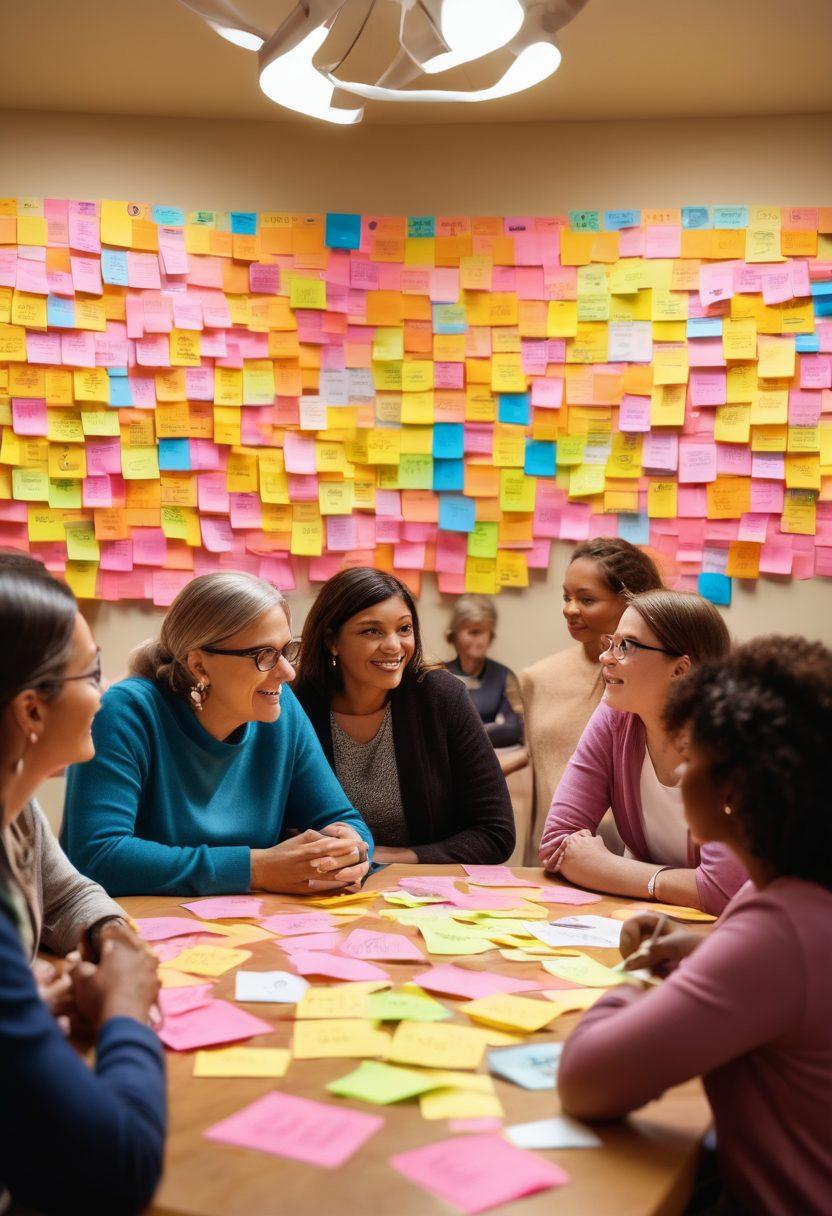
Imagine sitting in a room with others who truly understand your fears, hopes, and frustrations—creatures of the same fight. This shared emotional symbiosis fosters not only camaraderie but also provides fertile ground for advocacy. Advocacy plays a crucial role in the world of cancer support, ensuring patients have access to vital information resources, treatment options, and emerging therapies. With advocacy, we challenge the status quo, demanding necessary resources for funding and biomedical research as we push for more advanced pharmaceuticals and clinical trials that matter for survival. As the saying goes, "It’s not about the cards you’re dealt but how you play them." How can you contribute to this game of health within your community?
Support groups illuminate the often-overlooked role of psychosocial support in wellness. Traditional healthcare may focus on the illness, but these communities enhance patient care by considering the whole person—the physical, psychological, and emotional facets of healing. By facilitating conversations about lifestyle adjustments and nutrition, support groups empower patients to take control of their health beyond just pharmaceutical interventions. In fact, did you know that simple lifestyle changes can significantly impact cancer recurrence? Integrating wellness practices into your routine can truly transform survivorship. So, what steps can you take today to invest in your well-being?
Not only do support groups help individuals cope with their current disease, but they also elevate the importance of cancer awareness and prevention. Through shared stories, survivors inspire others to embark on their own journeys of wellness. The resilience demonstrated by individuals within these groups often fuels a greater understanding of the illness—the diagnosis, the treatment options, and alternative medicine approaches. This exchange of information nurtures a community deeply rooted in personal growth and awareness. Have you considered becoming a beacon of hope and information for someone else battling cancer?
Ultimately, the importance of support groups and advocacy in oncology cannot be overstated. They create a space for authentic connection, education, and the sharing of resources that can significantly influence one's journey through illness and survivorship. By participating in these communities, individuals not only enhance their patient care experience but also engage in a larger narrative that drives change in healthcare models and funding for vital services. Together, we can advocate for healthier living and sustainable wellness practices, paving the way for brighter futures for all who are touched by cancer. Will you join the movement?